How Hard Is It to Get a Loan on Raw Land?
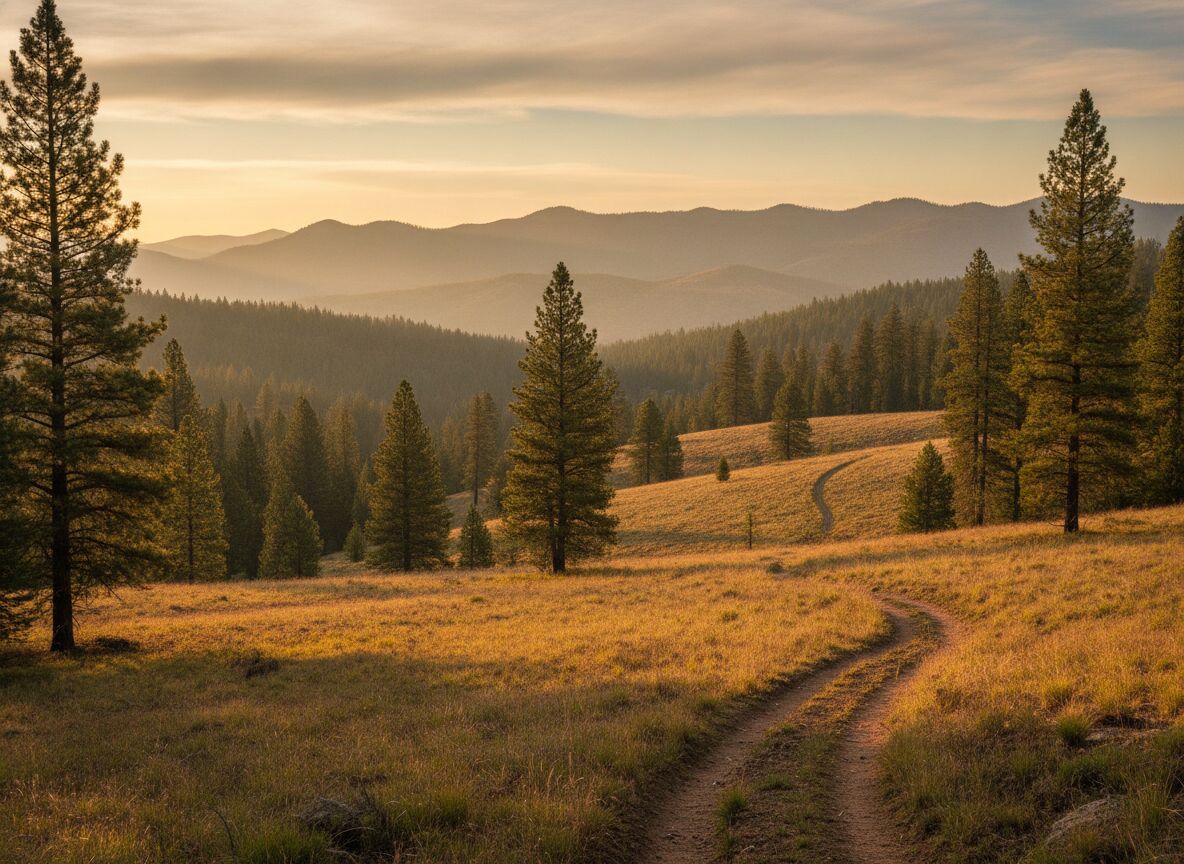
Raw and unimproved land is genuinely harder to finance than a home with a mortgage already in place — appraisals are less standardized, comparable sales are thinner, and most conventional mortgage lenders aren't set up for land-only lending at all. That said, "harder" doesn't mean impossible — specialty and portfolio lenders finance raw land regularly. Here's what actually affects approval.
Why Land Financing Is Treated Differently
A conventional mortgage is secured by a home — land plus a structure with a well-established appraisal process. Raw land lacks that structure, which means lenders lean more heavily on things like road access, utility availability, zoning, and topography to judge the property's value and marketability. That's also why land loans typically carry higher down payment requirements and sometimes shorter terms than a standard mortgage.
Do You Have to Put 20% Down on a Land Loan?
It depends heavily on the lender and how "raw" the land actually is. Fully unimproved land with no road access or utilities tends to require a larger down payment — sometimes 25-35% — while land with road frontage, utilities nearby, or a recent perc test can qualify for more moderate down payment requirements, often in the 10-25% range. If you already own the land free and clear, that equity can sometimes stand in for cash toward a land-and-construction loan down payment.
Buying Land Now, Building Later
If you don't have a construction plan ready yet, a standalone land loan is still an option through portfolio and specialty lenders, though terms are usually less favorable than a combined land-and-build package. If you do have a build plan — even a rough one — bundling the land purchase with your future construction financing typically gets you better terms than financing the land in isolation.
What Improves Your Approval Odds
A few things move the needle: documented road access (even a private or seasonal road, disclosed up front), a completed or scheduled perc/soil test if a septic system will be needed, a survey or clear parcel boundaries, and — if possible — a rough construction plan or timeline, even if you're not ready to build immediately. Lenders read a land purchase paired with a build intent very differently than land purchased with no plan at all.
Recreational vs. Residential Land
Some lenders distinguish between land purchased purely for recreational use (hunting, camping) and land intended for a future residence, sometimes with different acreage minimums or terms. Be upfront about your intent — it affects which lenders in the network are the right fit.
Getting Matched With the Right Lender
Not every lender that finances homes also finances raw land — it's a more specialized niche. Cabin Home Loan connects you with lending partners experienced specifically in land and land-and-construction financing, so you're not stuck applying with a bank that ultimately doesn't do this kind of loan at all, at no cost and with no obligation.
Ready to see your financing options?
No obligation. No hard credit pull to get started. Answers in minutes.