Construction-to-Permanent vs. Two-Time-Close Construction Loans: What's the Difference?
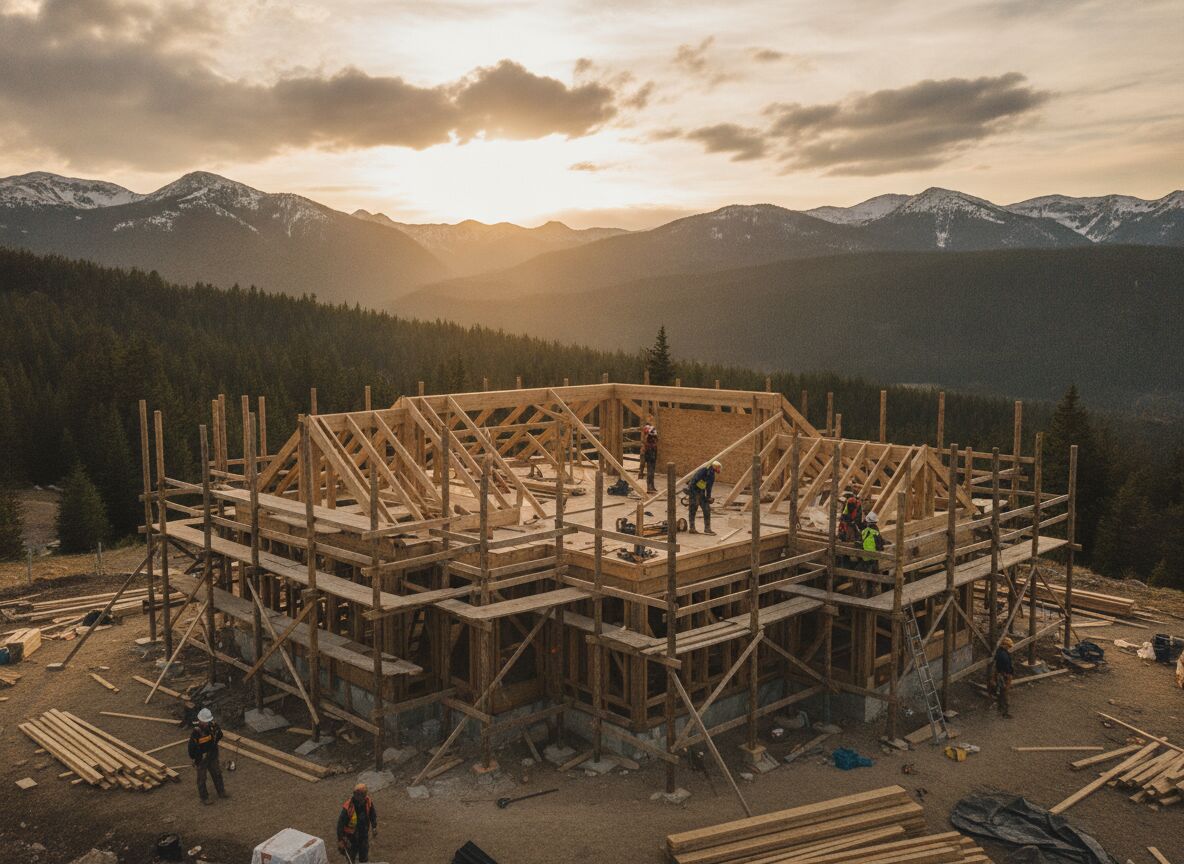
Almost every borrower building a home from scratch runs into this choice at some point: a construction-to-permanent loan or a two-time-close construction loan. They accomplish the same basic goal — financing a build, then converting to a standard mortgage — but the path there looks very different.
Construction-to-Permanent (One-Time Close)
With this structure, one loan covers both phases. You close once, before construction starts. During the build, you make interest-only payments on funds actually drawn. Once the home is complete and passes final inspection, the loan converts automatically into a standard mortgage — no second application, no second closing, no second round of underwriting.
The biggest advantage: your rate can often be locked before construction even begins, which protects you from rate movement during a build that might run 9-12 months. You also only pay one set of closing costs instead of two.
Two-Time-Close Construction Loans
This structure uses two separate loans: a short-term construction loan to fund the build, and a completely separate mortgage that pays off the construction loan once the home is finished. That means two closings, two sets of closing costs, and a second full underwriting review at the point of conversion — including a fresh credit check and appraisal.
The upside is flexibility: if rates move favorably during construction, a two-time-close structure lets you shop for a new permanent mortgage rather than being locked into a rate set before the build started. The trade-off is cost and uncertainty — you're not guaranteed to qualify for the permanent loan on the same terms once construction wraps.
Which One Usually Makes More Sense?
For most borrowers building a cabin, barndominium, or rural home, construction-to-permanent financing is the more common and often the more cost-effective choice — one closing, locked-in terms, and no risk of requalifying for a second loan after months of construction. Two-time-close can make sense if you specifically expect rates to drop meaningfully during your build and want the flexibility to shop again, but that's a bet, not a guarantee.
What to Ask a Lender
Whichever structure you're considering, ask directly: can the rate be locked before construction starts, what happens if the build runs longer than expected, and what documentation is required at conversion (for two-time-close) or at each draw (for construction-to-permanent)?
Cabin Home Loan connects you with specialty and portfolio lenders who offer both structures, so you can compare real terms side by side rather than guessing which one fits your build — at no cost and with no obligation.
Ready to see your financing options?
No obligation. No hard credit pull to get started. Answers in minutes.